The hidden costs of keeping a car you rarely drive include steep insurance premiums, rapid depreciation, and specialized maintenance issues like tire dry rot or battery failure that occur when a vehicle sits idle. Seniors often find that the combined expense of registration, taxes, and repairs far outweighs the convenience of ownership; consequently, transitioning to rideshare services can significantly reduce annual living expenses.
Many seniors view the sedan in their driveway as a vital symbol of independence, yet a vehicle that remains idle often represents a persistent and invisible financial drain. While it may feel prudent to keep a car for occasional errands, the reality is that insurance premiums, registration fees, and maintenance costs never take a vacation. In the specific climate of Polk County, Florida, prolonged inactivity can actually accelerate mechanical degradation more than daily use. This guide examines the true fiscal burden of vehicle ownership in retirement, including the safety risks associated with infrequent driving and the rising costs of modern repairs. By calculating your actual cost per mile, you can determine if your vehicle is a tool for freedom or a costly liability; furthermore, you will discover how to maintain your lifestyle without the logistical headaches of ownership.
Why the Car in Your Driveway Might Be a Financial Leak
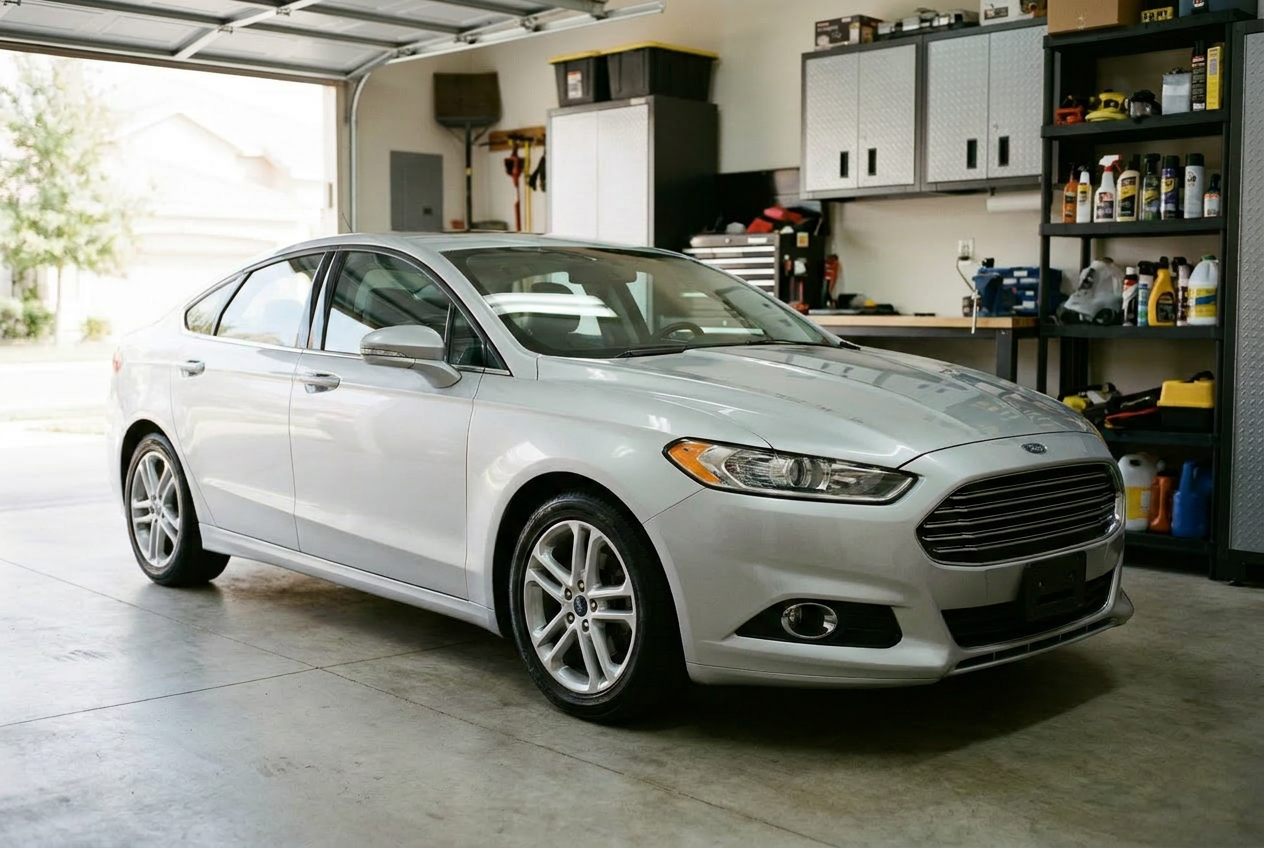
Look out at your driveway in Haines City today. You likely see a vehicle that spent most of last week exactly where it is now, parked under the glare of the Florida sun. For many retirees in Polk County, a personal car is often treated like a security blanket. It remains in the driveway, providing a psychological sense of readiness for a spontaneous trip that rarely happens, perhaps only seeing the road for a Saturday morning grocery run or a quick visit to the pharmacy.
This comfort often masks a harsh economic reality. We tend to view our vehicles as assets, but when usage drops below a certain threshold, that asset transforms into a financial liability. The hidden costs of keeping a car you rarely drive are not just about the money you spent to purchase the vehicle; they are about the wealth that slowly evaporates through depreciation and mechanical neglect.
Unlike a home, which typically appreciates, a car is a depreciating machine. Every day it sits idle, its resale value ticks downward while its specialized components degrade from lack of movement. Choosing to hold onto an underutilized vehicle is often a sunk cost trap, where seniors continue to pay for the privilege of ownership without receiving a proportional benefit. True independence does not come from the metal in your driveway, but from the ability to reach your destination safely. By shifting from ownership to reliable transportation tailored to the unique needs of elderly passengers, you can plug this financial leak and replace it with a service that works for you only when you actually need it.
Fixed Monthly Expenses that Never Take a Day Off
The primary misconception about a parked car is that it costs nothing while stationary. In reality, the financial commitment remains relentless. Even without a monthly loan payment, the average transportation costs per month for a senior in Florida often range between $300 and $600. These figures represent the baseline expenses required just to keep the vehicle legal and protected, regardless of how many times you turn the key.
Insurance represents the largest portion of these fixed costs. Florida consistently ranks among the most expensive states for auto insurance. While some providers offer low mileage discounts, they rarely offset the high base premiums driven by Central Florida's dense traffic and frequent severe weather events. In Polk County, insurance rates are influenced by the high volume of traffic moving between Tampa and Orlando; furthermore, they are impacted by the increased risk of flood and storm damage during hurricane season. You are essentially paying for the collective risk of the region rather than your individual driving habits.
Beyond insurance, there are the recurring state requirements. Annual registration renewals and potential local fees continue to accrue every year. When you add these to the hidden costs of keeping a car you rarely drive, the price of "just in case" mobility becomes remarkably steep. For many seniors, this monthly drain on a fixed income could be more effectively utilized elsewhere.
Instead of paying for a vehicle to sit in a Haines City driveway, those funds could easily cover professional airport transit services or frequent local trips where the logistics are handled by an expert driver. When a vehicle is paid off, it feels like a free asset; however, a closer look at your bank statement usually reveals that the cost of ownership never truly takes a day off.
The Florida Factor: How Idleness Damages Vehicles in Polk County
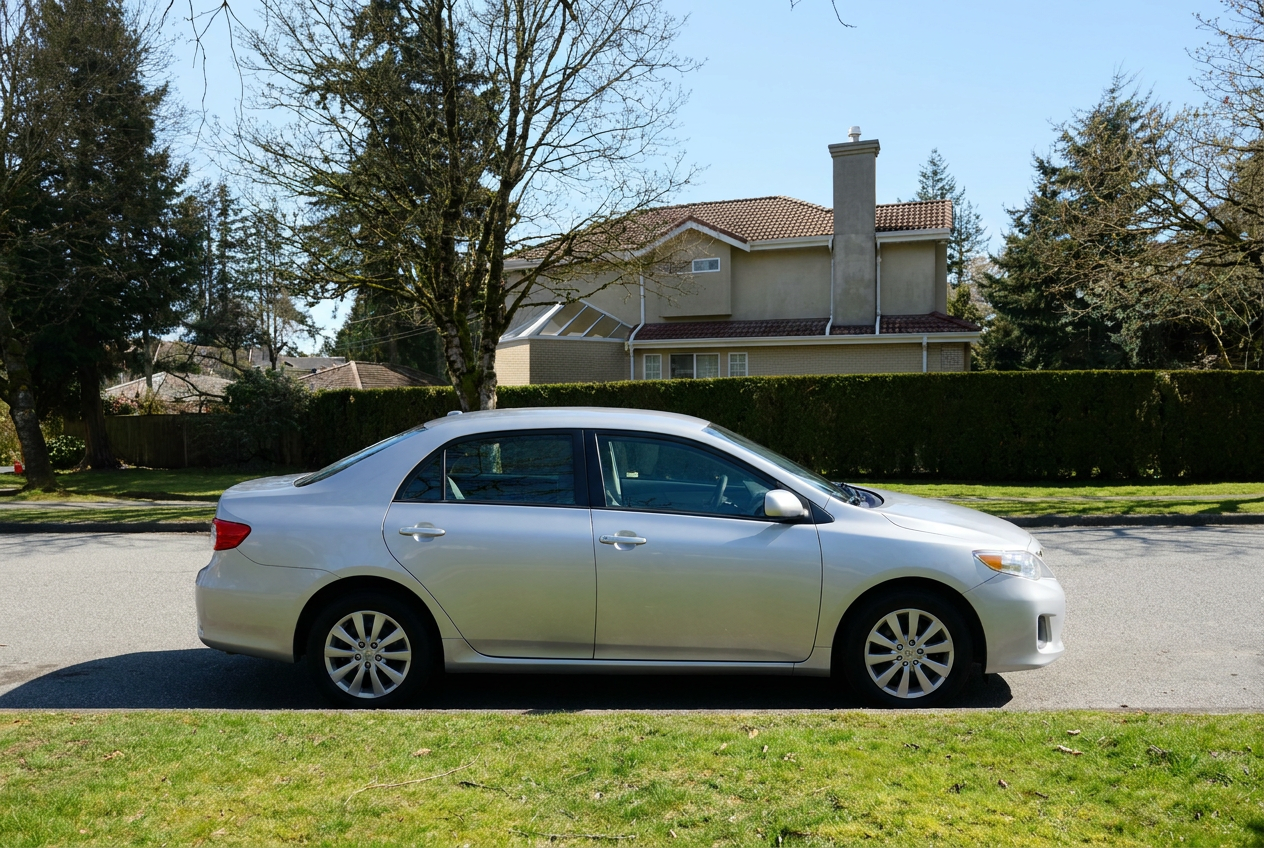
Living in Polk County offers many benefits, but the climate is notoriously harsh on machinery. While it might seem that leaving a car in a Haines City garage or driveway preserves its condition, the opposite is often true. Florida’s intense heat and high humidity create an environment where idleness leads to rapid mechanical degradation. The physical environment turns a parked vehicle into a magnet for specialized repairs that active drivers rarely encounter.
Battery health is the first casualty of the Central Florida sun. Intense heat accelerates the internal chemical reactions within a lead-acid battery, leading to a faster discharge rate and eventual failure. This process, often called battery drain, is compounded when a vehicle sits for weeks, as modern car computers continue to draw small amounts of power. Similarly, tires suffer from flat-spotting when they remain in one position on hot pavement for extended periods. The weight of the vehicle permanently deforms the rubber, creating vibrations that often necessitate a full set of new tires despite having plenty of tread left.
The rainy season introduces another set of risks, specifically regarding mold and mildew within the HVAC system. When a car sits unused in high humidity, moisture trapped in the air vents can lead to fungal growth, which then circulates through the cabin the next time the air conditioning is turned on. This is not just a maintenance issue; it is a respiratory concern for senior passengers.
These factors contribute heavily to the hidden costs of keeping a car you rarely drive. Standing maintenance, such as oil changes to prevent acid buildup, addressing tire dry rot, and cleaning rust off brake rotors that have seized from lack of use, can be more expensive than routine preventative care for a daily driver. By choosing reliable transportation tailored to the unique needs of elderly passengers, you eliminate the stress of managing these surprise repairs and ensure your transit is always handled by a vehicle that is professionally maintained and road-ready.
The $3000 Rule and Rising Repair Costs
As environmental damage from Florida’s humidity begins to manifest, you will eventually face a significant repair bill at the mechanic. Financial advisors often reference the $3000 rule as a benchmark for vehicle ownership. This rule suggests that if a single repair exceeds $3,000, or if the cost to fix the car surpasses a specific percentage of its total resale value, the vehicle has become a liability and should be sold.
Waiting for that specific threshold is becoming an expensive gamble. Since 2019, the cost of automotive repairs has surged by 53 percent due to inflation in parts and specialized labor. A repair that might have cost $1,200 five years ago now frequently enters the $2,000 range. For a senior living on a fixed income in Haines City, an unexpected $2,000 invoice for a transmission or a complex electrical sensor is a major financial blow that can deplete emergency savings.
This volatility represents one of the most significant hidden costs of keeping a car you rarely drive. While a personal vehicle offers the illusion of free transit, it carries the constant threat of a four-figure repair bill. Transitioning to reliable transportation tailored to the unique needs of elderly passengers replaces this financial uncertainty with a predictable, transparent cost. You eliminate the risk of sudden, massive expenditures and instead pay only for the mobility you actually use.
Safety Risks of Driving an Infrequently Used Vehicle
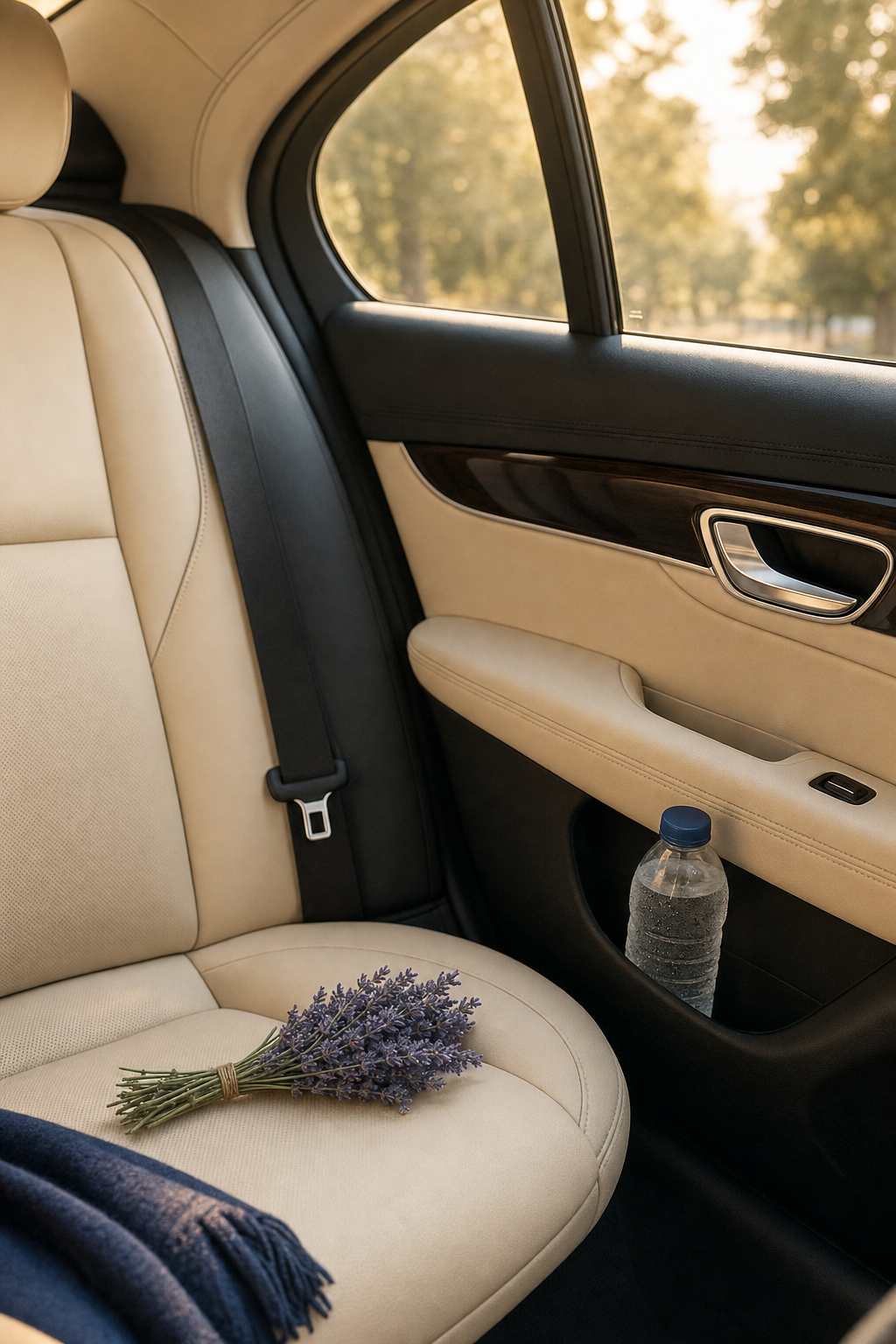
The financial volatility of surprise repairs is only one side of the coin; the physical safety of the vehicle is equally compromised by idleness. A common misconception is that low mileage equates to high reliability. In reality, automotive engineering relies on regular movement to keep systems functional. When a car sits, essential fluids settle and gaskets can dry out. These represent the physical hidden costs of keeping a car you rarely drive, as they lead to internal leaks that may not be apparent until you are already in traffic.
Brake systems are particularly vulnerable in the Polk County climate. The high humidity causes surface rust to form on the rotors very quickly. This results in a "crunchy" sensation and decreased stopping power during your first few miles of driving. Furthermore, the intense UV exposure in Haines City rapidly degrades the rubber on windshield wipers. You may only realize your wipers have dry-rotted and failed during a sudden, blinding Central Florida downpour; this is a dangerous moment to lose visibility.
In contrast, the fleet at Private Car Service for Seniors LLC operates under a strict professional maintenance schedule. Because our vehicles are used daily, the mechanical components remain lubricated and primed for performance. We conduct safety inspections every morning, checking tire pressure, fluid levels, and the integrity of safety equipment like wipers and lights. Choosing reliable transportation tailored to the unique needs of elderly passengers ensures you are never the test pilot for a vehicle that has been sitting dormant for weeks. You deserve a ride that is consistently vetted for the highest safety standards.
Calculating the Real Cost per Mile for Seniors
To understand the true impact on your budget, you must look past the price at the gas pump and calculate your actual cost per mile. Most seniors in Central Florida underestimate the hidden costs of keeping a car you rarely drive because they view the vehicle as a free asset once the loan is paid off. However, if you add up the annual premiums for Florida auto insurance, routine maintenance like oil changes and battery replacements, and the inevitable depreciation, a low-mileage vehicle becomes an expensive luxury.
Consider a senior who spends $5,000 annually to keep their car road-legal and functional. If they only drive 1,000 miles in a year, which is common for those living in retirement communities near Haines City, they are paying $5.00 for every single mile traveled. This figure is significantly higher than the cost of scheduling reliable transportation tailored to the unique needs of elderly passengers for essential trips.
Expense Category | Estimated Annual Cost |
|---|---|
Florida Insurance Premium | $1,800 |
Maintenance & Repairs | $1,200 |
Registration & Fees | $200 |
Annual Depreciation | $1,800 |
Total Annual Ownership Cost | $5,000 |
When asking if it is cheaper to not own a car in retirement, the answer lies in your odometer. If your car spends more time in the driveway than on the road, you are likely subsidizing a machine that costs more to own than it would to be chauffeured by a professional. By eliminating these fixed costs, you free up thousands of dollars for better healthcare or more frequent social outings.
Maintaining Independence Without the Burden of Ownership
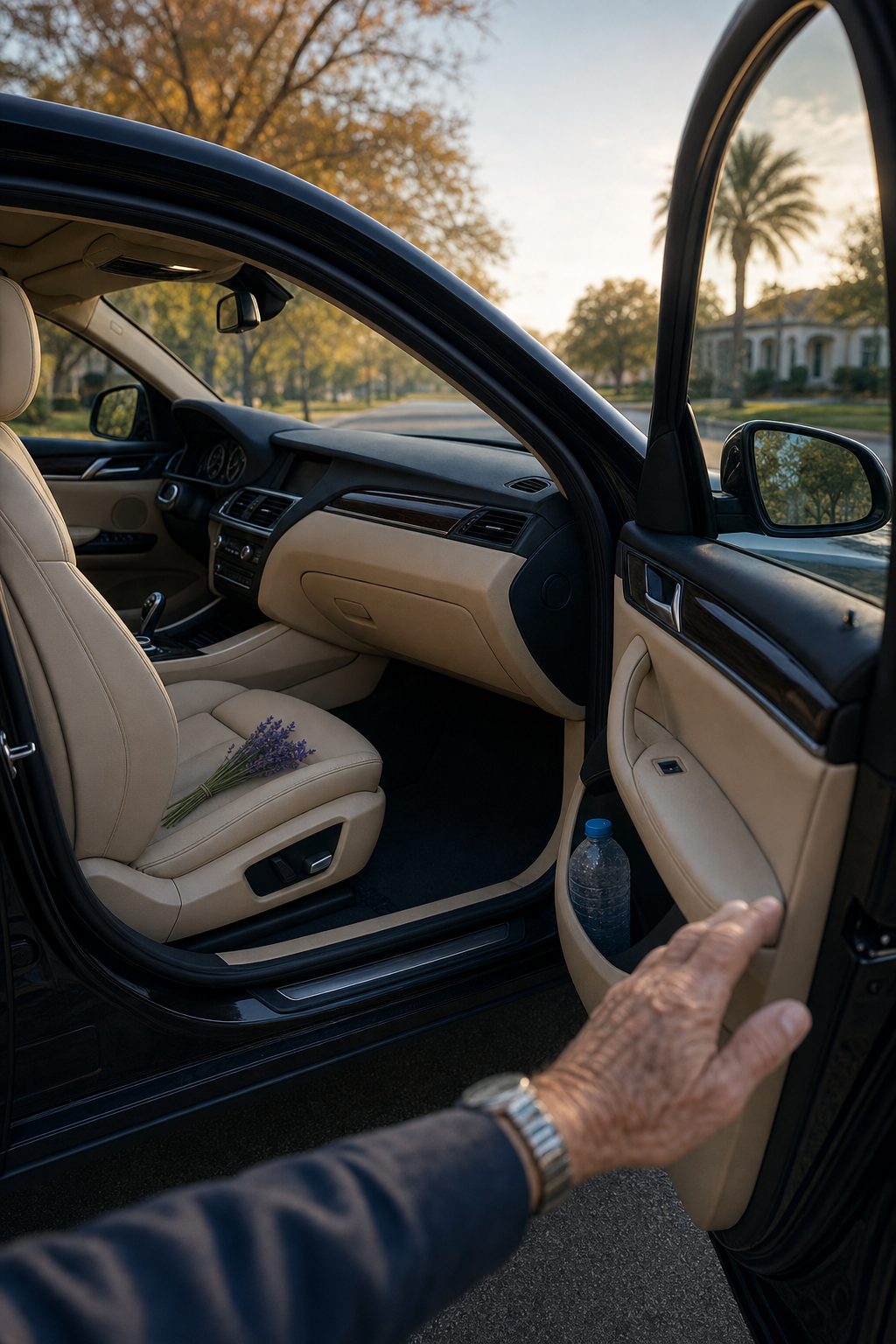
Relinquishing the keys to an underused vehicle is often viewed as a loss of autonomy, but in practice, it is the removal of a logistical and financial anchor. True independence is the ability to move through Central Florida without the anxiety of a mechanical breakdown or the exhaustion of high-speed traffic. By eliminating the hidden costs of keeping a car you rarely drive, you trade a stationary liability for dynamic, personalized service.
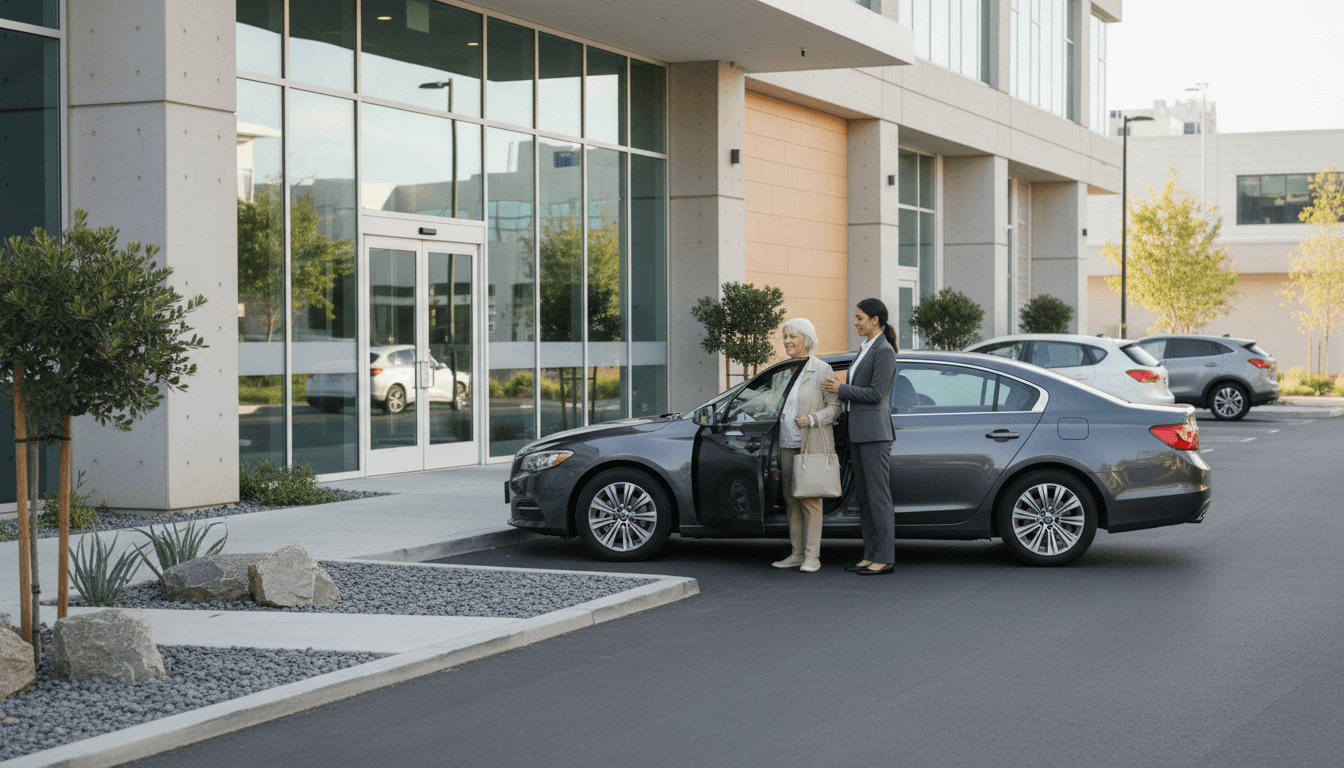
When you utilize reliable transportation tailored to the unique needs of elderly passengers, the journey becomes the priority rather than the logistics. Instead of circling crowded parking garages at Lakeland Regional Health or navigating the complex, multi-level terminals at Orlando International Airport, you are dropped off directly at the front entrance. There is no long walk from a distant parking spot and no need to remember where you parked in a sea of thousands of vehicles. This is especially valuable for professional airport transit services where punctuality and ease of access are critical for a stress-free trip.
Beyond the driving itself, professional service provides a layer of physical support a personal car cannot match. A driver assists with opening doors, securing belongings, and providing a steady arm when entering or exiting the vehicle. This human connection transforms a simple trip into a supportive social interaction, ensuring you arrive at your destination refreshed rather than drained by the commute. To explore how this service can fit your lifestyle and maintain your mobility, contact our team in Haines City to discuss your specific transit needs.